Red Light Therapy: Worth the Hype or a Waste of Money?
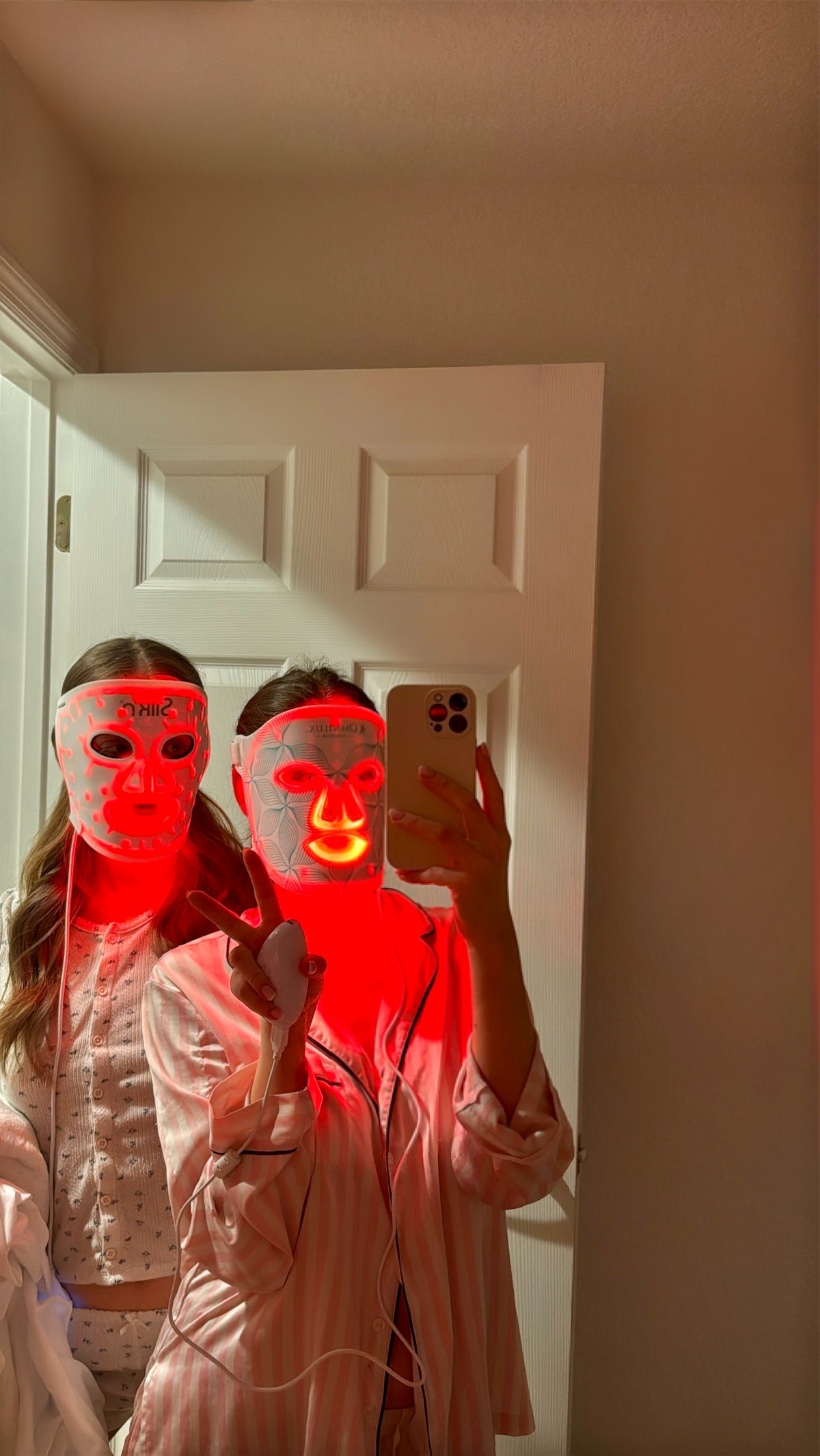
You've seen it everywhere. The girls with the red face masks on TikTok. The $2,000 panels in every cold plunge studio. The wellness influencer sitting in front of a red glow like she's being abducted by aliens.
Red light therapy is one of the most hyped wellness tools of the last five years. It promises to fix your skin, grow your hair, heal your muscles, improve your mood, balance your hormones, and probably do your laundry.
Some of that is real. A lot of it is marketing.
Here's what the actual research says — and whether the $500-plus price tag is worth it.
What red light therapy actually is
Red light therapy (also called photobiomodulation or low-level light therapy) uses specific wavelengths of red and near-infrared light to penetrate the skin. Unlike UV light, it doesn't damage your cells — it stimulates them.
The two wavelengths that matter:
- Red light (620–700 nanometers) penetrates the upper layers of the skin. Targets skin cells.
- Near-infrared light (700–1100 nanometers) goes deeper — into muscle, joints, and bone.
When these wavelengths hit your cells, they're absorbed by the mitochondria — the energy factories inside your cells. This stimulates the production of ATP (adenosine triphosphate), which is essentially cellular fuel. More ATP means cells can do their jobs better: repair tissue, produce collagen, reduce inflammation, and regenerate faster.
That's the mechanism. It's real. It's been studied since NASA research in the 1990s found that red light sped up wound healing in astronauts.
What's less clear is how much of the hype actually holds up outside of controlled research settings.
What the science supports
A few claims are well-established. These are backed by multiple randomized controlled trials and published in peer-reviewed journals.
Skin: fine lines, wrinkles, and collagen
This is probably the most robust use case. Red light therapy has been shown to increase collagen production, reduce fine lines, and improve skin texture.
A 2014 study in Photomedicine and Laser Surgery found that participants using red light therapy twice a week for 30 sessions had significantly improved skin complexion, skin feeling, and collagen density compared to a control group. Another review in Dermatologic Surgery found consistent improvements in wrinkle depth and skin elasticity across multiple studies.
Is it going to replace Botox? No. But it's a legitimate, non-invasive tool for gradual skin improvement — especially for people who want to avoid injectables.
Acne
A 2009 study published in Lasers in Surgery and Medicine found that combined red and blue light therapy significantly reduced acne lesions in participants over 12 weeks. Red light reduces inflammation; blue light kills acne-causing bacteria. The combination has been shown to work better than either alone.
For hormonal or cystic acne, red light therapy won't address the root cause — but it can calm active breakouts and reduce post-acne redness.
Wound healing and muscle recovery
This is where red light therapy has the strongest clinical backing. It's used in physical therapy clinics and by professional athletes for a reason.
Multiple studies have shown red light therapy speeds up wound healing, reduces muscle soreness after exercise, and improves recovery time from injury. A 2016 review in Lasers in Medical Science concluded that photobiomodulation is an effective tool for reducing exercise-induced muscle fatigue and damage.
Hair growth
A 2014 study in the American Journal of Clinical Dermatology found that low-level laser therapy produced statistically significant hair regrowth in men and women with androgenetic alopecia (pattern hair loss) compared to a sham device. Multiple follow-up studies have confirmed the effect.
This is why devices like the CapillusPro and iRestore have FDA clearance for hair regrowth. The evidence is real — though the results are gradual (typically 16–26 weeks of consistent use).
Joint pain and inflammation
Red light therapy has been used clinically for decades to treat conditions like arthritis, tendonitis, and chronic joint pain. A 2003 meta-analysis found it effective for reducing pain and improving function in osteoarthritis patients.
What the science is more shaky on
This is where the marketing gets ahead of the data.
"Detoxifies" your body
There is no research supporting the claim that red light therapy "detoxifies" anything. Your liver and kidneys handle that. When wellness brands say red light therapy supports detoxification, they're using a meaningless buzzword.
Thyroid, hormones, fertility
You'll see influencers claiming red light therapy balances hormones, supports thyroid function, or boosts fertility. The research on this is extremely limited — mostly small studies, animal models, or unrepeated findings. There's some preliminary evidence that red light on the thyroid may support thyroid function, but it's not strong enough to make confident claims.
If someone is selling you a red light panel as a thyroid fix, they're overstating what the research actually shows.
Fat loss and body contouring
Red light therapy is often marketed as a "fat loss" treatment. Some small studies have shown a modest reduction in waist circumference after consistent use, but the effect is small and requires very specific conditions (specific wavelengths, specific dosing, consistent sessions). It's not a replacement for actual lifestyle changes.
Mental health and depression
Early research is interesting — there are small studies suggesting near-infrared light applied to the forehead may help with depression and brain fog. But the evidence is preliminary. Don't buy a $1,000 panel expecting it to replace therapy or SSRIs.
Sleep and circadian rhythm
There's some evidence that red light exposure in the evening doesn't suppress melatonin the way blue light does, which is why some people use red light bulbs at night. That's legitimate. But the claim that red light therapy actively improves sleep quality is less supported.
The dose matters — a lot
Here's what almost no one tells you: red light therapy only works at the right dose.
Clinical research uses specific parameters:
- Wavelength: usually 630–670nm for red, 810–850nm for near-infrared
- Irradiance (power density): typically 20–200 mW/cm²
- Dose (fluence): typically 3–10 J/cm² per session
- Time: usually 5–20 minutes per area, 3–5 times per week
- Distance: 6–24 inches from the body, depending on device
A lot of cheaper at-home devices don't deliver the intensity needed to produce clinical results. That $40 Amazon panel glowing red at you from across the room is essentially a mood light.
To get therapeutic benefit, you need a device with:
- Clinically proven wavelengths (620–700nm red and/or 800–900nm near-infrared)
- Documented irradiance specifications (not just "500W" — that's input, not output)
- Third-party testing data
- Adequate treatment area for your goals
The legitimate at-home brands (Joovv, Mito Red, PlatinumLED, Red Light Rising) publish their specs. The ones that don't publish specs usually have a reason.
The price reality
Legitimate full-body panels run $500–$3,000. Professional clinic sessions are usually $50–$100 per visit. Quality face masks (like Omnilux or CurrentBody) run $400–$600.
For most people, the math works out like this:
- If you'll actually use it 3–5 times a week for years: a home panel pays for itself
- If you're inconsistent or just curious: clinic sessions are cheaper and lower-commitment
- If you want it for one specific goal (like acne or hair loss): a targeted device makes more sense than a full-body panel
The takeaway
Red light therapy is real. It works for skin, acne, muscle recovery, hair growth, and joint pain. There's decades of research behind the mechanism, and clinical trials support specific use cases.
But it's not magic. It won't fix your hormones, detox your body, or replace a real skincare and health routine. And the device you buy matters — a lot.
The short version: worth the hype for specific goals, with a quality device, used consistently. A waste of money if you're expecting it to do everything the influencers claim, or if you're buying the cheapest option on Amazon.
The girls sitting under the red glow aren't wrong. They're just often overpaying — or expecting too much from the wrong device.
This article is for informational purposes only and is not medical advice. Always consult a healthcare professional.
Sources
- Wunsch, A., Matuschka, K. "A controlled trial to determine the efficacy of red and near-infrared light treatment in patient satisfaction, reduction of fine lines, wrinkles, skin roughness, and intradermal collagen density increase." Photomedicine and Laser Surgery, 2014
- Avci, P., et al. "Low-level laser (light) therapy (LLLT) in skin: stimulating, healing, restoring." Seminars in Cutaneous Medicine and Surgery, 2013
- Ferraresi, C., et al. "Light-emitting diode therapy in exercise-trained mice increases muscle performance, cytochrome c oxidase activity, ATP and cell proliferation." Journal of Biophotonics, 2016
- Lanzafame, R.J., et al. "The growth of human scalp hair in females using visible red light laser and LED sources." Lasers in Surgery and Medicine, 2014
- Hamblin, M.R. "Mechanisms and applications of the anti-inflammatory effects of photobiomodulation." AIMS Biophysics, 2017
- Brosseau, L., et al. "Low level laser therapy for osteoarthritis and rheumatoid arthritis: a metaanalysis." Journal of Rheumatology, 2000